
coming soon
DyPSOS
DyPSOS (Dynamic Power System model Optimisation and Surrogates) develops an open-source automated framework that bridges the gap between generic and black-box models, without requiring access to proprietary model internals.
DyPSOS (Dynamic Power System model Optimisation and Surrogates) develops an open-source automated framework that bridges the gap between generic and black-box models, without requiring access to proprietary model internals.
Power system networks are undergoing a rapid transformation due to the increasing integration of renewable energy sources (RES), decentralization of electricity generation, and the gradual retirement of conventional synchronous generators. The overarching objective of U-man is to investigate the different schemes that can be developed to enable TSO-DSO coordination.
PSSIx will propose and develop new stability indexes for power systems with increased penetration of inverter-based resources. Depending on the type of stability, the index can determine the stability of the grid or designate the area or the devices that are weakening the grid.

DC‑BL explores PowSyBl as a common, open-source and extensible simulation framework for AC-DC models with multi-terminals DC subnetworks. PowSyBl (Power System Blocks) natively supports CIM/CGMES formats, enabling consistent and interoperable data exchange between TSOs across Europe.
Path2GFM is an extension of LF Energy GridFM project, integrating the LF Energy PowSyBl & Dynawo packages to enable power system synthetic data generation.
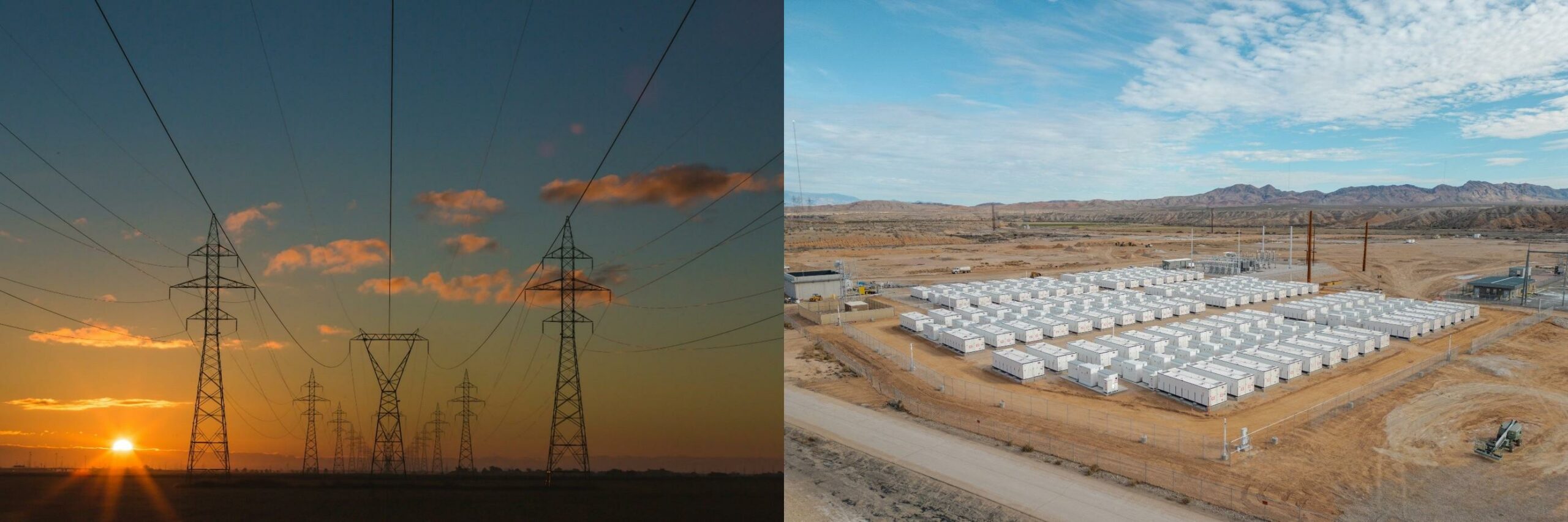
BatMan investigates how BESS can provide flexibilities at transmission level, from D-1 to real-time, in particular for managing grid congestion.
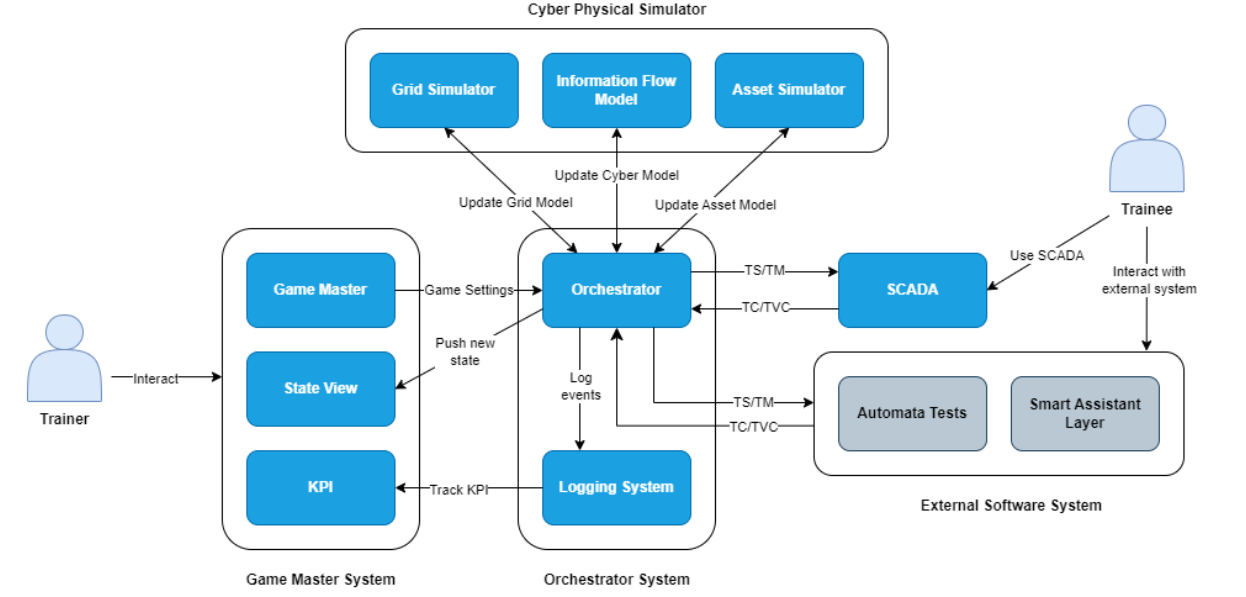
TraiSim complements the Horizon EuropeTWINEU project and specifically its Pilot n°8, both forming parts of a unified initiative, developping an operator training simulator environment.
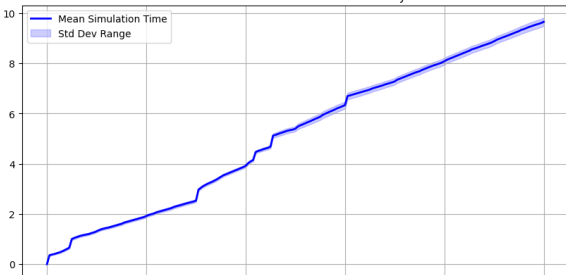
The objective of this project is to build a power system training Digital Twin that could be used to train future operators. This training Digital Twin will be partly developed by the European project TWINEU (Pilot 8, covered by Task 5.5 - A power system training simulator for complex and critical situations) and be enhanced by this side project called TRAISIM. TRAISIM focuses on the acceleration of the real-time simulator embedded in the training simulator, where the simulation must operate at least as fast as the actual physical processes it replicates.
RTE7K (Detailed Grid Inner Topology Timeseries) is a dataset giving access to node-breaker description timeseries of power grids, starting with 6-month history at 5' intervals for the French transmission grid. This experimentation shall be part of the LF Energy project OpenSynth.